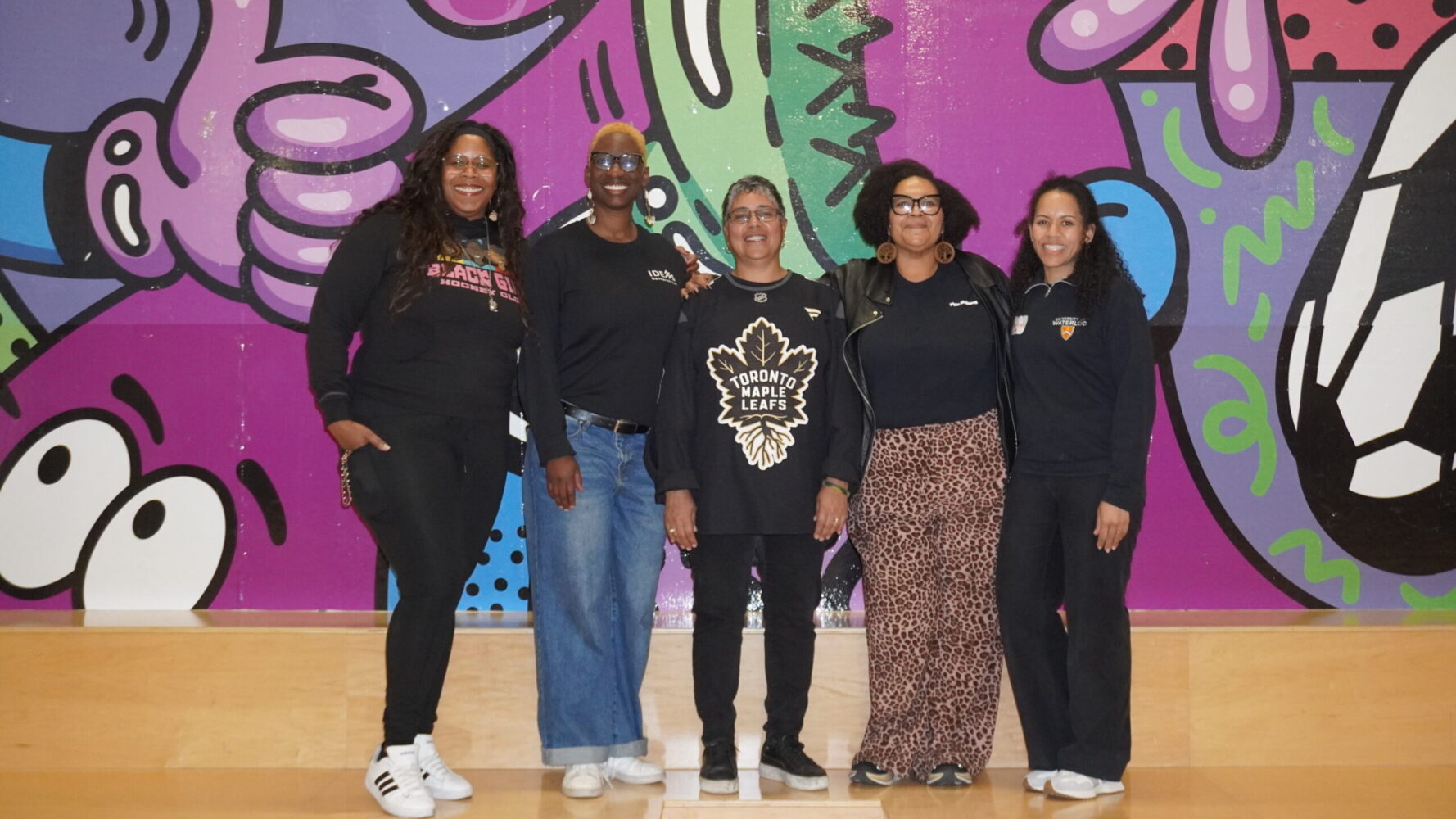

Kaleigh Pennock
Assistant Professor and Director, RISE Youth Sport Lab, University of Waterloo
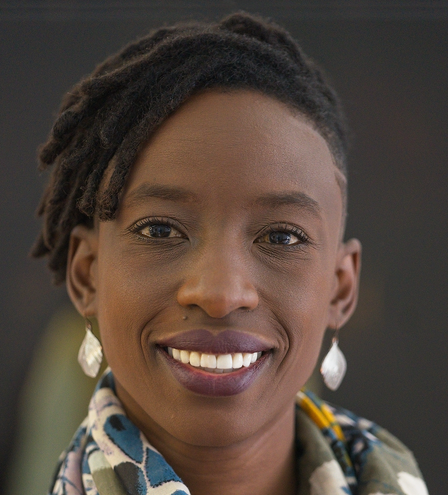
Janelle Joseph
Tier 1 Canada Research Chair in Racial Justice, Health and Sport and Founder & Director, IDEAS Research Lab at Brock University
Black girls and women in Canada continue to find ways to overcome barriers to participation in sport.
Participating in sport can help young people build self-confidence, community, and leadership skills, not to mention the physical health benefits. Black women and girls are building inclusive sport opportunities so that they get to experience these benefits too.
Researchers at Brock University and the University of Waterloo are working with communities to better understand the projects and initiatives that help Black girls and women thrive in sport.
Understanding the barriers to participation Black girls and women overcome
“Black girls and women are increasingly finding ways to stay involved in sport,” says Kaleigh Pennock, Founder and Director of the Risk, Injury, Safety, and Equity (RISE) Youth Sport Lab and an Assistant Professor in the Department of Recreation and Leisure Studies at the University of Waterloo.
“There are many Black leaders promoting inclusion,” adds Janelle Joseph, Canada Research Chair in Racial Justice, Health and Sport (Tier 1), Founder and Director of the Indigeneity, Diaspora, Equity, and Anti-Racism in Sport (IDEAS) Research Lab, and an Associate Professor in the Departments of Health Sciences and Sport Management at Brock University.
Black girls and women are disproportionately impacted by social and structural barriers, from microaggressions and equipment that isn’t designed for them (for example, swim caps that don’t accommodate Black hair) to a lack of hiring and representation among peers and coaches.
Despite the challenges, Black girls and women still find joy and community through sport — especially when they create it for themselves.
Leading initiatives focused on inclusion
Some community organizations are designing their sport offerings with Black girls and women in mind. “We have to think about all the financial, cultural, religious, and interpersonal resources that Black girls and women need in order to be successful and welcomed into sport,” says Joseph.
“Black girls and women don’t need to change. Sport does,” adds Pennock.
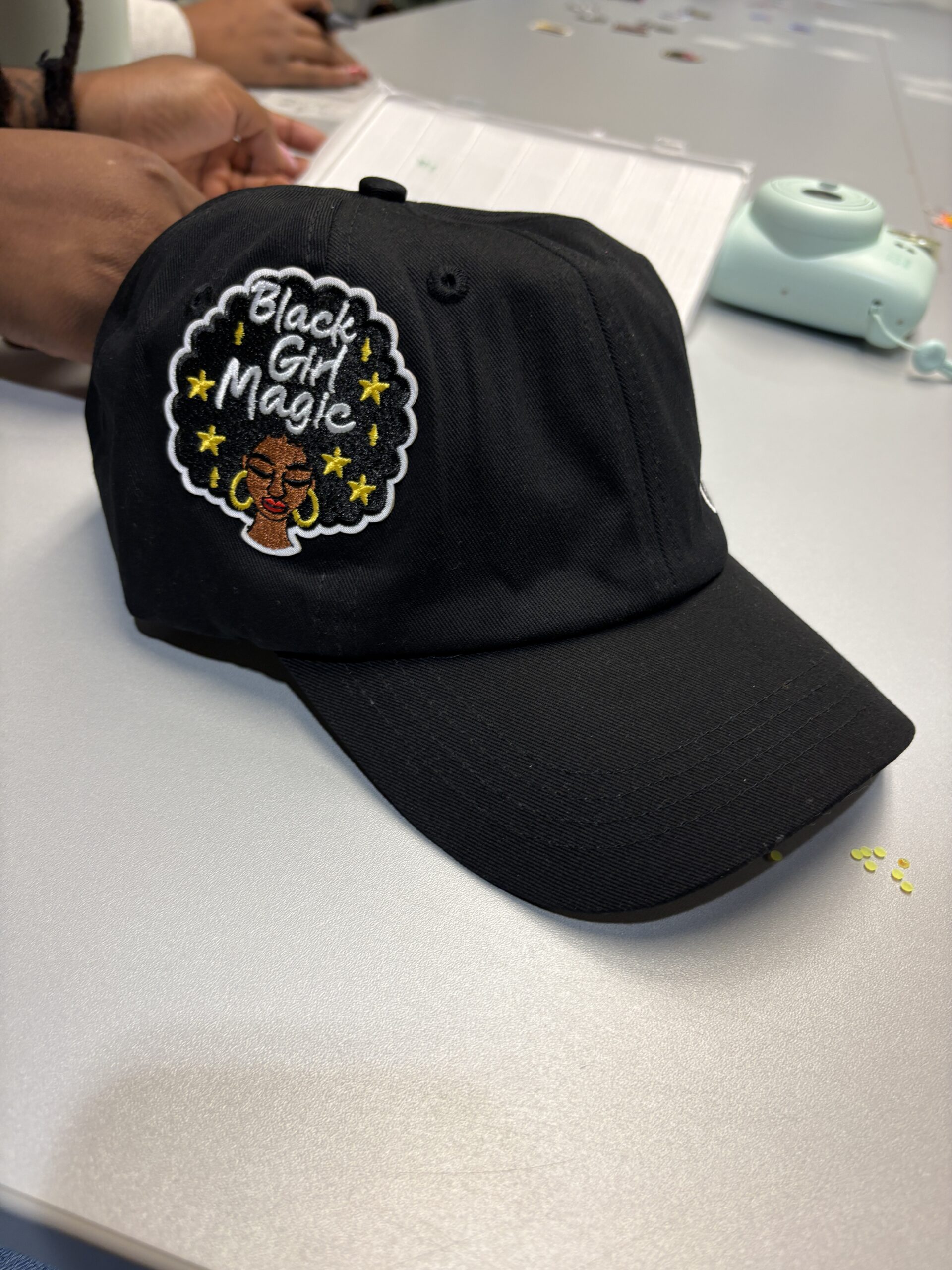
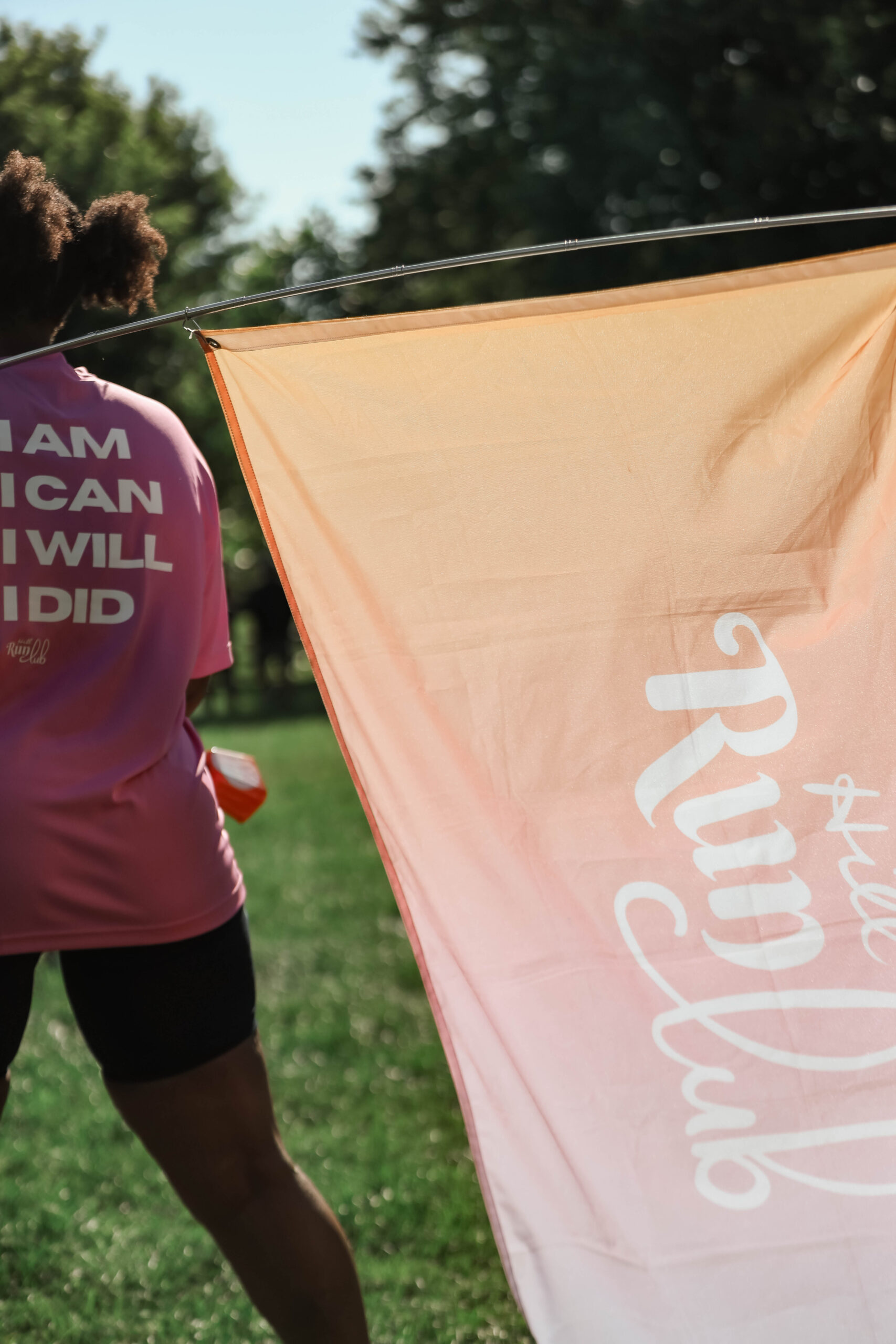
At IDEAS Research Lab, Joseph is partnering with a Black women’s running group, Hill Run Club, and a Black girls’ and women’s gymnastics and dance program, GirlPower’d. “In that research, the participants all said that having a coach who shares their experiences, who understands their hair, who can affirm their shape and the way they move and dress, makes a difference,” she says. “It makes them feel whole.”
Joseph and Pennock are also working with MLSE LaunchPad to study their coaching program for racialized coaches. “Youth identified that having someone from their communities in positions of leadership makes a difference to their feelings of belonging and their desire to continue participating and networking,” says Pennock.
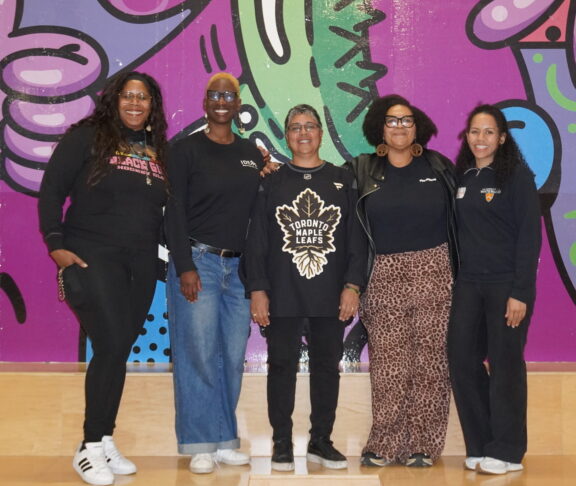
At the RISE Youth Sport Lab, Pennock is doing research on Black hair and belonging in sport and recreation and recently partnered with Black Girl Hockey Club to host a community research event dedicated to Black girl hockey players and their mothers, aunties, and women fans. “There is real joy in this community, and this research is about making sure sport reflects that,” says Pennock.
Inclusion often starts with simple steps: noticing who may be excluded, recruiting Black coaches, and doing outreach to bring community members’ ideas and perspectives to the forefront.
“Look around,” says Joseph. “See who’s not there and reach out to those groups to ask what they need to feel included.”
Visit uwaterloo.ca/rise-youth-sport-lab and janellejoseph.com for more information about ongoing research projects.
Sponsored by:


