True North Living
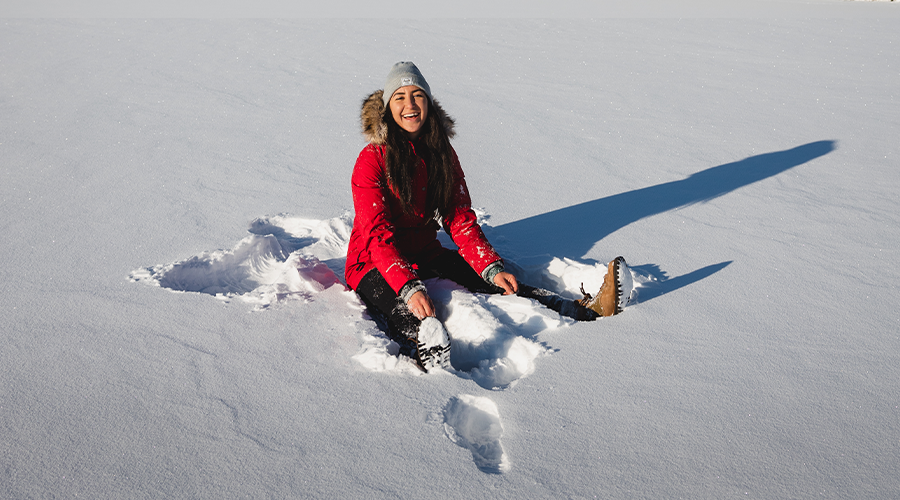
From frozen-lake skating in the Rockies to polar bears in northern Manitoba, travel creator Angela Liguori (@angelaliggs) shares what winter in Western Canada looks like beyond the ski hill.

Winter travel in Western Canada often gets reduced to “skiing” — but you cover so much more. What’s a winter experience in the region that you think doesn’t get enough attention?
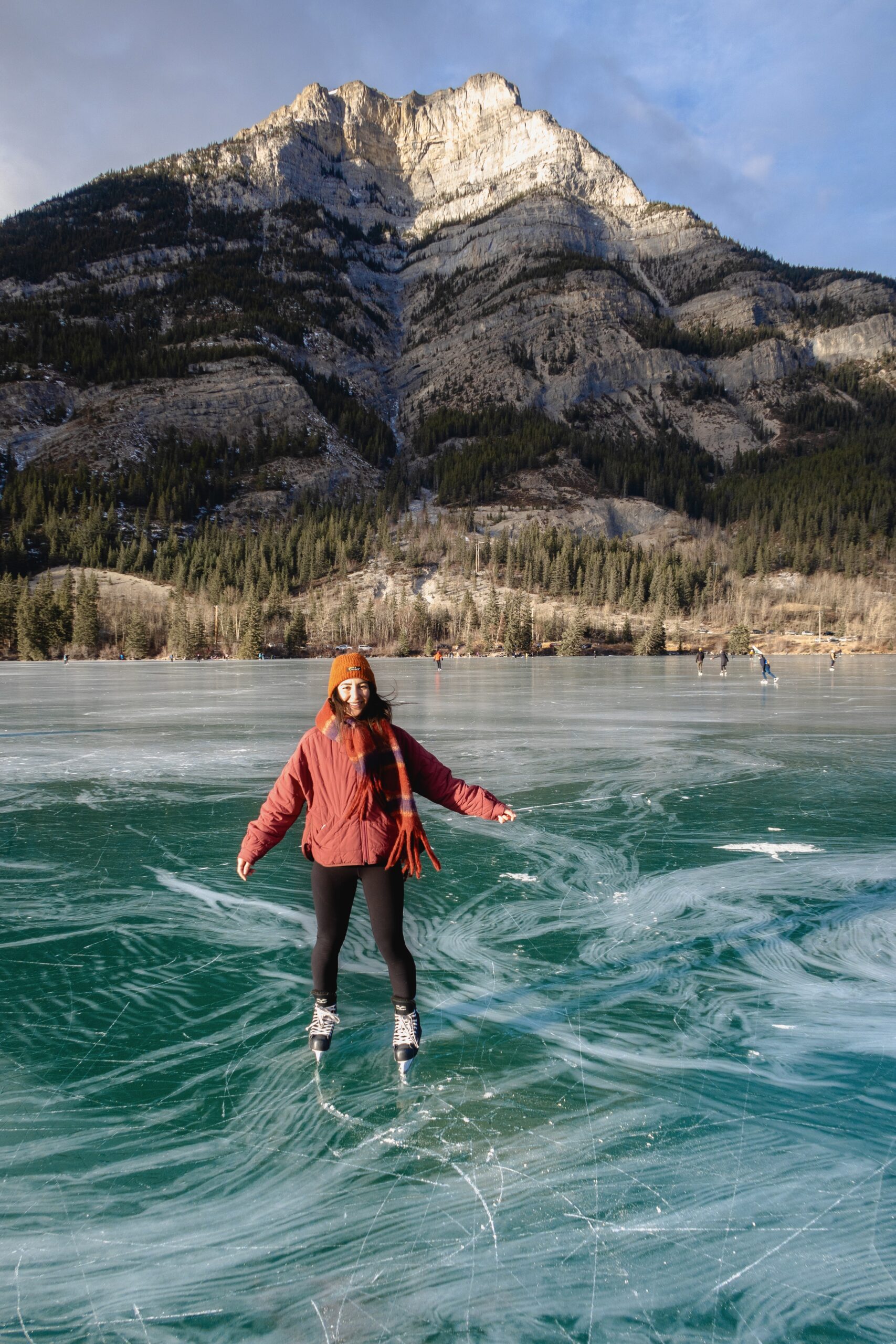
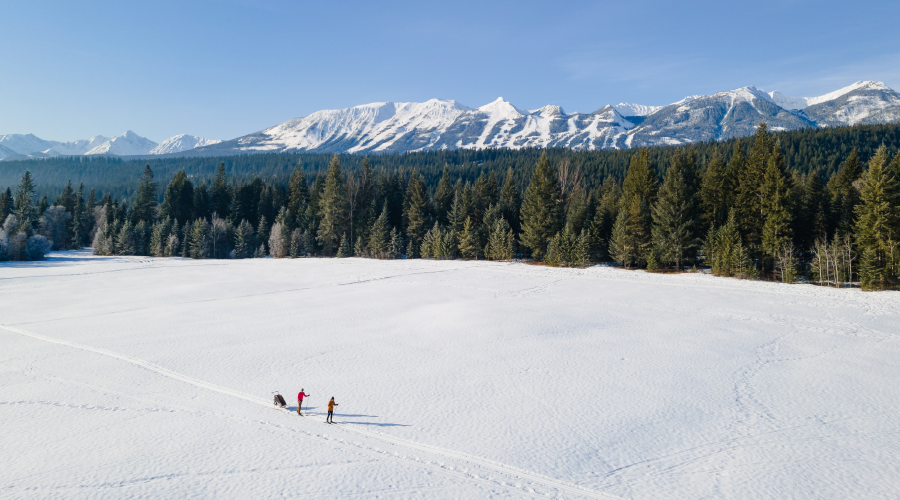
Western Canada is known for skiing for good reason; it’s incredible! You have Whistler Blackcomb, iconic resorts around Banff and Lake Louise, and the smaller resorts scattered throughout interior BC, Saskatchewan, and Manitoba. But yes, there is a lot you can do that’s not skiing, too. Snowshoeing is a great way to experience winter in Western Canada. There are incredible winter trails with beautiful mountain and ocean views just outside Vancouver. XC skiing is the biggest in Quebec, but it’s huge in BC and Alberta. The Whistler Olympic Park has a new trail with lights at night that gives me very ‘Finnish Lapland’ vibes. Ice skating is a quintessential winter experience to try in Western Canada. Skating on a frozen lake in the Canadian Rockies was truly one of the best experiences. You need to know a lot about wild ice to do this safely, or know the right people, or, like me, be at the right place at the right time and meet a friend on a street who said a lake nearby is solid and has 20 people there testing the ice and skating on it to know it’s good to go. If you want to be safe, there are a lot of ice skating rinks outside during the winter that are just as magical. There are experiences like an ice skating path through the forest at Apex Mountain Resort and huge trails like the Lake Windermere White Way. Seeing wildlife in the winter is a great experience in Western Canada! I’ve seen a ton of elk, moose, bison, and more. You can go to northern Manitoba and see polar bears too (my bucketlist!). Cabins are even more cozy in the winter and are great to stay in while skiing for the weekend. Road trips are even more beautiful with a coat of snow on the mountains and landscapes, but of course, tougher (more on this below). If you’re lucky, you can also see the northern lights in the winter. Saskatchewan and Manitoba are the best places for this, especially when you go north. There’s also a ton of hot springs in BC and Alberta that are great for a winter experience. Some are deep in the backcountry and some are easier to get to.
For someone who’s never done a winter trip through the Rockies or BC’s mountain towns before, what’s one thing you wish you’d known before your first time?
Allocate more time. It takes way longer than you think to get from point A to point B. With snow and ice, you have to drive slower; others are driving slower, and animals are more likely to be on the road because of the salt. The weather could change quickly, which could mean delays, or even mountain passes can close due to avalanche risk, and you’ll need to wait it out. No worries though, it’s a good time to hang out in a small town. Also, try not to do too much in a small time.
How do you think about balancing adrenaline/adventure content (skiing, backcountry, big landscapes) with the slower, cozier side of winter travel — hot springs, local food, small-town charm?
I think the balance is necessary, at least for me. There are a lot of people here who love the adrenaline constantly, but I love the slower moments just as much as the adventurous ones! And when you mix the two together on a trip.. Perfection. A hot drink after snowshoeing, getting into a hot tub after skiing, or cooking dinner in a cabin feels so much more rewarding when you’ve spent the day outside in the cold! There are so many small towns to explore in the winter in Western Canada that it feels like I won’t see all of BC or Alberta, let alone Saskatchewan and Manitoba—which actually is a nice feeling that there is so much to see and explore in a season that some people dread until it’s over.
A lot of your audience is planning their own trips based on what you share. What’s your best practical tip for someone building a winter road trip or multi-stop itinerary through the region?
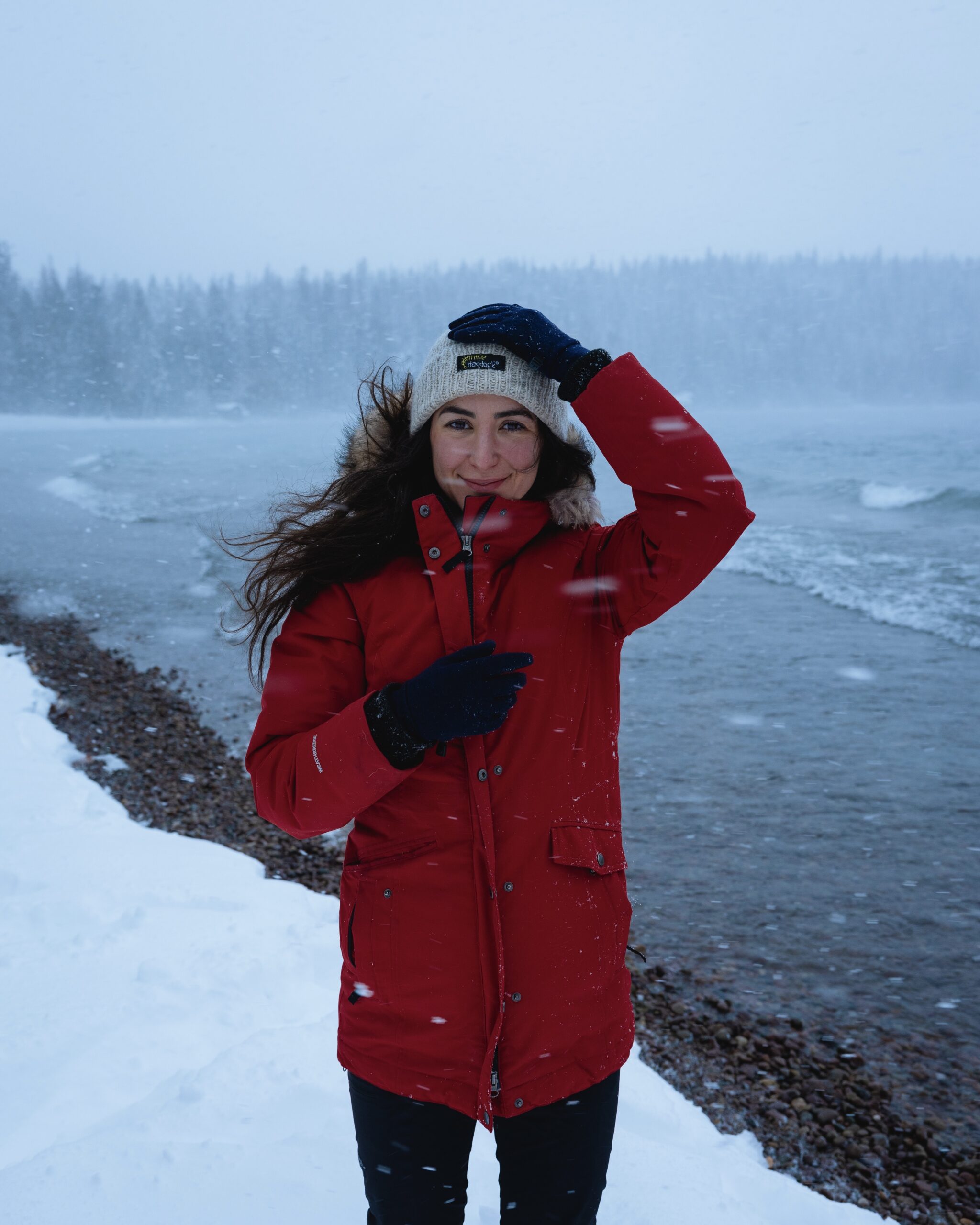
Winter road trips are always tougher because there are more risks, but these risks can be managed. There can be long stretches of driving in Western Canada, so if you don’t want to go on a long road trip, fly! Of course, like anywhere, flights can get canceled or delayed in the winter, but flying is a great option and one I take often. If you want to drive, a few tips are: Make sure to always check DriveBC or the equivalent in the province you’re in. You should be up to date with what’s going on on the road. Check the weather forecast. This one is a no-brainer, but I’d be prepared and know what’s coming. Maybe a huge chunk of snow is coming in two days’ time, and I know I have to get over a pass to my next spot, so I’ll go a day early or late. Have windshield washer fluid that is rated for cold temps. Have snacks, warm clothes, water, etc. in the car in case of roads shutting down or your car breaking down.
As for an itinerary, a classic one is going from Vancouver to Banff in the winter. I’ve done it, and it’s so incredible. Stopping off in different small towns along the way in BC – Revelstoke, Golden, etc. – and then getting to Banff. There’s so much to do and see by just driving around. Snowshoeing, ice skating, hot springs, and more. You can also go from Vancouver up the Sea-to-Sky Highway to Squamish, Whistler, and Pemberton and do a mix of skiing, hot springs, cabins, ice skating, and more. A trip I have on my bucketlist to go to Churchill, Manitoba, to visit polar bears.
If you had to pick three words to describe what makes winter in Western Canada different from winter anywhere else, what would they be?
Wet (I guess only wet in southern BC though..), wild, and beautiful.